1. Winter Vegetables (20)
1.1 Root Vegetables
Parsnips

Carrots

Beets

Turnips

Root vegetables are excellent winter crops due to their ability to withstand cold temperatures and even improve in flavor after exposure to frost. These vegetables store well in the ground and can be harvested as needed throughout the winter.
Get your winter root vegetable seed collection here!
2.2 Leafy Greens
Spinach

Swiss Chard

Collard Greens

Mustard Greens

Lettuce

Arugula

Leafy greens are surprisingly hardy and can provide fresh salads and cooked greens throughout the winter months. Many varieties actually become sweeter after exposure to cold temperatures.
Start your winter greens garden with our cold-hardy seed mix!
2.3 Brassicas
Broccoli

Kale (technically a leafy green, but often grouped with brassicas)

Brussels Sprouts

Cabbage
Brassicas are known for their cold tolerance and nutritional value. These vegetables often taste better when harvested after a light frost.
2.4 Alliums
Garlic

Onions

Leeks

Alliums are typically planted in fall for harvest the following summer, but they continue to grow slowly throughout the winter months.
Get your allium starter kit here!
2.5 Other Winter Vegetables
Celery

Kohlrabi

Radishes
These vegetables round out the winter garden, providing variety and additional nutrients to your cold-season harvest.
| Vegetable | Planting Time | Harvest Time | Cold Hardiness |
|---|---|---|---|
| Parsnips | Early Spring | Fall/Winter | Very Hardy |
| Spinach | Late Summer | Fall/Winter | Hardy |
| Broccoli | Late Summer | Fall/Winter | Moderately Hardy |
| Garlic | Fall | Summer | Very Hardy |
3. Winter Fruits (24)
3.1 Tree Fruits
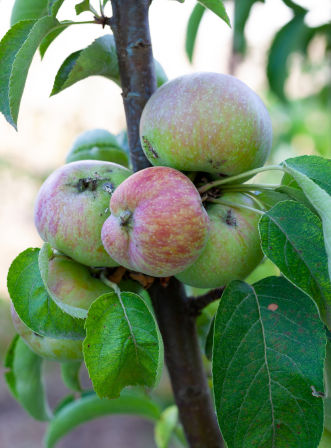
Apple
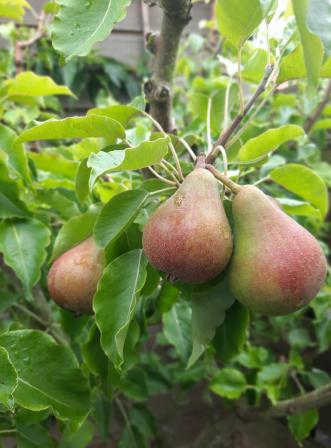
Pears
Persimmon

Crabapples

Figs (in mild winter areas)

Many tree fruits can be harvested in late fall and stored for winter consumption. Some varieties, like certain apples and pears, actually improve in flavor when stored properly.
Start your own winter fruit orchard with our cold-hardy fruit tree collection!
3.2 Berries
Strawberry (alpine varieties)

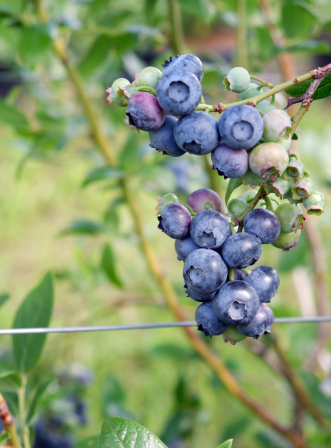
Blueberries (for zones 7 and warmer)
Cranberries
Lingonberries
While most berries are summer fruits, some varieties can be grown or harvested during winter months, especially in milder climates.
3.3 Citrus Fruits
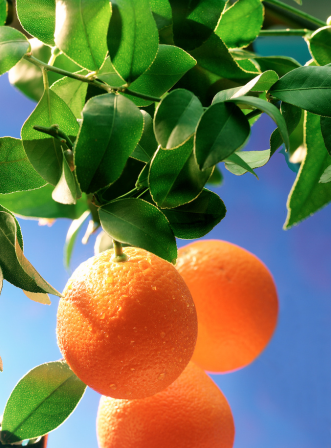
Oranges
Clementine

Grapefruit

Kumquat
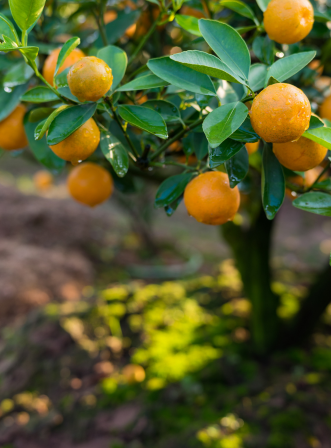
Mandarin oranges

Lemon
Citrus fruits are a winter staple in warmer regions. In colder areas, dwarf varieties can be grown in containers and brought indoors during freezing weather.
Get your citrus starter kit for indoor growing here!
3.4 Exotic Winter Fruits
Kiwi
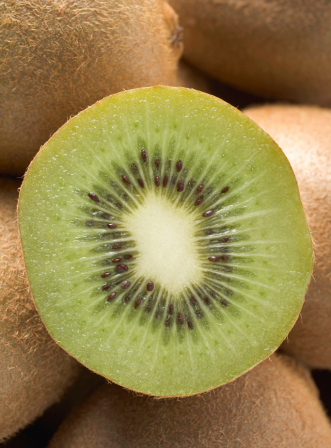
Pomegranate

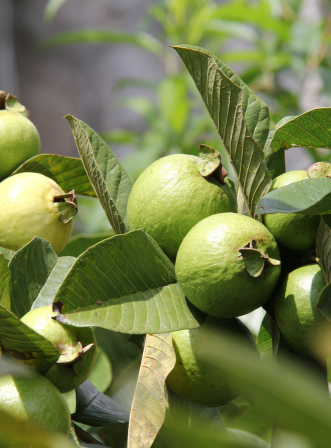
Guava
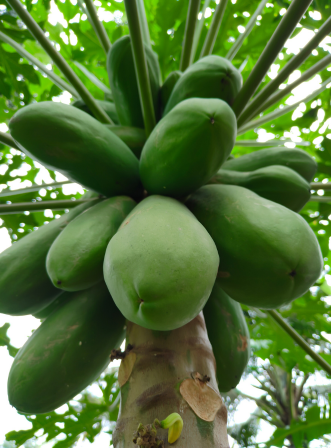
Papaya
Passionfruit
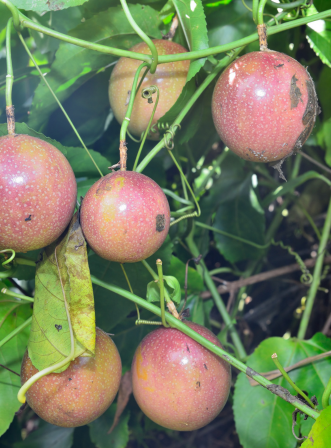
Red banana

Cherimoya
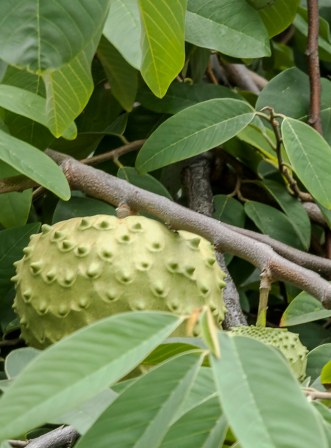
Feijoa

These fruits are typically grown in tropical or subtropical climates but can be found in markets during winter months in many areas.
| Fruit | Growing Zone | Harvest Season | Storage Life |
|---|---|---|---|
| Apple | 3-9 | Fall | 3-6 months |
| Oranges | 9-11 | Winter | 1-2 months |
| Kiwi | 7-9 | Fall/Winter | 1-2 months |
| Pomegranate | 7-10 | Fall | 1-2 months |
4. Growing Tips for Winter Fruits and Vegetables
4.1 Soil Preparation
- Add organic matter to improve drainage and nutrient content
- Test soil pH and adjust as needed
- Consider raised beds for better drainage in wet winter conditions
4.2 Protection Methods
- Use cold frames or hoop houses to extend the growing season
- Apply mulch to protect roots from freezing
- Use row covers or cloches for tender plants
Get your winter garden protection kit here!
4.3 Watering and Fertilization
- Water less frequently but deeply during winter
- Use slow-release organic fertilizers to avoid over-stimulating growth
- Avoid fertilizing dormant plants
4.4 Pest and Disease Management
- Monitor for common winter pests like aphids and slugs
- Remove diseased plant material promptly
- Maintain good air circulation to prevent fungal diseases
5. Harvesting and Storage
5.1 When to Harvest
- Root vegetables: Can be left in the ground and harvested as needed
- Leafy greens: Harvest outer leaves as they reach usable size
- Fruits: Harvest when fully ripe or just before full ripeness for storage
5.2 Proper Storage Techniques
- Root cellar storage for root vegetables and apples
- Refrigeration for leafy greens and berries
- Cool, dry storage for winter squash and pumpkins
6. Nutritional Benefits of Winter Produce
6.1 Vitamins and Minerals
Winter fruits and vegetables are packed with essential nutrients:
- Vitamin C: Found in high quantities in citrus fruits, kiwi, and leafy greens
- Vitamin A: Abundant in orange vegetables like carrots and sweet potatoes
- Potassium: Present in bananas, pomegranates, and leafy greens
- Iron: Found in leafy greens like spinach and kale
6.2 Antioxidants and Phytonutrients
Many winter fruits and vegetables are rich in antioxidants and phytonutrients:
- Anthocyanins: Found in red and purple fruits like pomegranates and berries
- Flavonoids: Present in citrus fruits and apples
- Glucosinolates: Abundant in brassica vegetables like broccoli and Brussels sprouts
Incorporating a variety of winter produce into your diet can help boost your immune system and provide essential nutrients during the cold months.
Benefits of Growing Winter Crops
- Extended growing season
- Fresh, organic produce throughout the year
- Reduced grocery bills
- Improved soil health through crop rotation
- Fewer pest and disease issues compared to summer gardening
Challenges of Winter Gardening
- Cold temperatures and frost damage
- Reduced sunlight and shorter days
- Wet soil conditions
- Limited plant growth rates
Despite these challenges, with proper planning and care, you can successfully grow a wide variety of fruits and vegetables during winter.
So don’t let the cold weather deter you – embrace the challenge and rewards of winter gardening. Your taste buds and your health will thank you!
Ready to start your winter garden? Get our complete winter gardening starter kit here!