Gardening is a rewarding hobby that allows you to enjoy fresh, homegrown produce throughout the year. By understanding the differences between summer and winter vegetables, you can maximize your garden’s potential and ensure a bountiful harvest in every season.
Benefits of growing both summer and winter vegetables
- Year-round fresh produce
- Diverse diet and nutrition
- Reduced grocery bills
- Lower carbon footprint
- Connection with nature and seasons
II. Summer Vegetables
Summer vegetables thrive in warm temperatures and long daylight hours. Let’s explore the various vegetables you can grow throughout the summer months.
A. Early Summer Vegetables
1. Beets (young)
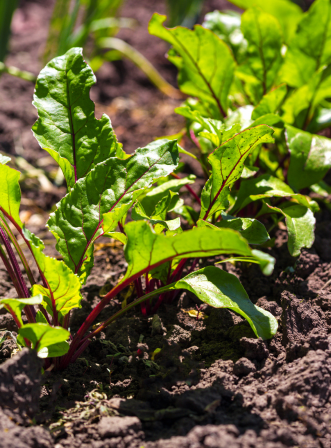
Beets are versatile root vegetables that can be harvested young for tender greens and small roots.
- Varieties: ‘Detroit Dark Red’, ‘Chioggia’, ‘Golden’
- Planting time: Early spring for early summer harvest
- Care tips: Thin seedlings to 3-4 inches apart, keep soil consistently moist
2. Carrots (young)

Young carrots are sweet and tender, perfect for early summer salads and snacking.
- Varieties: ‘Nantes’, ‘Chantenay’, ‘Paris Market’
- Planting time: Early spring for early summer harvest
- Care tips: Sow seeds thinly, keep soil moist until germination
Premium carrot seed mix for early harvest
3. Celery

Celery is a crisp, flavorful vegetable that grows well in early summer.
- Varieties: ‘Utah 52-70’, ‘Tall Utah’, ‘Golden Self-Blanching’
- Planting time: Early spring for early summer harvest
- Care tips: Provide consistent moisture, mulch to retain soil humidity
Celery seeds for a crisp summer harvest
4. Fennel

Fennel adds a unique, anise-like flavor to summer dishes.
- Varieties: ‘Florence’, ‘Orion’, ‘Perfection’
- Planting time: Early spring for early summer harvest
- Care tips: Thin seedlings to 12 inches apart, keep soil moist
Aromatic fennel seeds for your garden
5. New potatoes

New potatoes are young, tender potatoes harvested early in the season.
- Varieties: ‘Yukon Gold’, ‘Red Pontiac’, ‘Kennebec’
- Planting time: Early spring for early summer harvest
- Care tips: Hill soil around plants as they grow, water consistently
Seed potatoes for early summer harvest
6. Turnips (young)

Young turnips are mild and sweet, perfect for early summer meals.
- Varieties: ‘Tokyo Cross’, ‘Hakurei’, ‘Purple Top White Globe’
- Planting time: Early spring for early summer harvest
- Care tips: Thin seedlings to 4-6 inches apart, keep soil consistently moist
Fast-growing turnip seeds for early harvest
B. Midsummer Vegetables
1. Broccoli
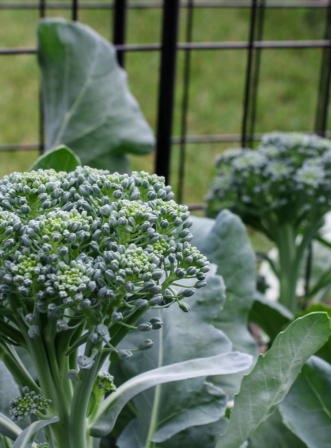
Broccoli is a nutritious vegetable that thrives in the warm days of midsummer.
- Varieties: ‘Calabrese’, ‘Di Cicco’, ‘Belstar F1’
- Planting time: Late spring for midsummer harvest
- Care tips: Provide ample space between plants, water deeply and regularly
2. Cauliflower

Cauliflower is a versatile vegetable that grows well in midsummer.
- Varieties: ‘Snowball’, ‘Cheddar F1’, ‘Graffiti’
- Planting time: Late spring for midsummer harvest
- Care tips: Tie leaves over the head to blanch, water consistently
3. Cucumbers

Cucumbers are refreshing summer vegetables perfect for salads and pickling.
- Varieties: ‘Straight Eight’, ‘Lemon’, ‘Armenian’
- Planting time: Late spring for midsummer harvest
- Care tips: Provide support for vining varieties, water deeply and regularly
Cucumber seeds for a refreshing summer
4. Green beans
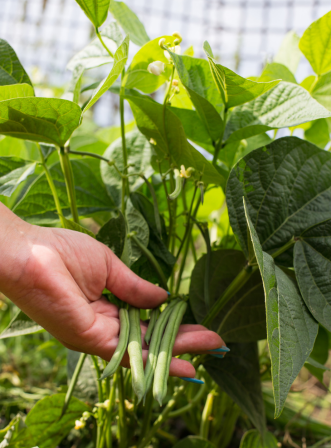
Green beans are productive and easy to grow in midsummer.
- Varieties: ‘Blue Lake’, ‘Provider’, ‘Kentucky Wonder’
- Planting time: Late spring for midsummer harvest
- Care tips: Provide support for pole varieties, harvest regularly to encourage production
5. Summer squash (including zucchini)

Summer squash and zucchini are prolific producers in midsummer gardens.
- Varieties: ‘Black Beauty’ (zucchini), ‘Yellow Crookneck’, ‘Pattypan’
- Planting time: Late spring for midsummer harvest
- Care tips: Harvest frequently to encourage continued production, provide ample space
Avariety pack of summer squash seeds
C. Late Summer Vegetables
1. Corn

Sweet corn is a classic late summer vegetable, perfect for barbecues and family gatherings.
- Varieties: ‘Silver Queen’, ‘Butter & Sugar’, ‘Peaches & Cream’
- Planting time: Late spring for late summer harvest
- Care tips: Plant in blocks for better pollination, water deeply during tasseling
Sweet corn seeds for a delicious harvest
2. Eggplants

Eggplants thrive in the heat of late summer, producing glossy fruits.
- Varieties: ‘Black Beauty’, ‘Ping Tung’, ‘Rosa Bianca’
- Planting time: Late spring for late summer harvest
- Care tips: Provide support for heavy fruits, water consistently
A variety pack of eggplant seeds
3. Sweet peppers

Sweet peppers reach their peak flavor and color in late summer.
- Varieties: ‘California Wonder’, ‘Sweet Banana’, ‘Corno di Toro’
- Planting time: Late spring for late summer harvest
- Care tips: Provide support for heavy fruits, avoid overwatering
4. Tomatoes

Tomatoes are the quintessential late summer vegetable, bursting with flavor.
- Varieties: ‘Beefsteak’, ‘Roma’, ‘Cherry’
- Planting time: Late spring for late summer harvest
- Care tips: Provide sturdy support, prune for better air circulation
Gourmet tomato seed collection
III. Winter Vegetables
Winter vegetables are hardy plants that can withstand cooler temperatures and shorter daylight hours. Let’s explore the various vegetables you can grow during the winter months.
A. Root Vegetables
1. Parsnips

Parsnips are sweet root vegetables that improve in flavor after frost exposure.
- Varieties: ‘Hollow Crown’, ‘Gladiator’, ‘Albion’
- Planting time: Late summer for winter harvest
- Care tips: Sow seeds directly, thin seedlings to 6 inches apart
2. Carrots

Winter carrots are sweeter and more flavorful than their summer counterparts.
- Varieties: ‘Danvers’, ‘Imperator’, ‘Scarlet Nantes’
- Planting time: Late summer for winter harvest
- Care tips: Protect tops with mulch, harvest after frost for sweeter taste
3. Beets

Beets are nutritious root vegetables that can withstand cold temperatures.
- Varieties: ‘Bull’s Blood’, ‘Cylindra’, ‘Lutz Green Leaf’
- Planting time: Late summer for winter harvest
- Care tips: Thin seedlings to 3-4 inches apart, mulch to protect from severe cold
4. Turnips

Winter turnips are sweeter and more tender than their summer counterparts.
- Varieties: ‘Purple Top White Globe’, ‘Golden Globe’, ‘Snowball’
- Planting time: Late summer for winter harvest
- Care tips: Thin seedlings to 4-6 inches apart, harvest after frost for sweeter flavor
B. Leafy Greens
1. Spinach
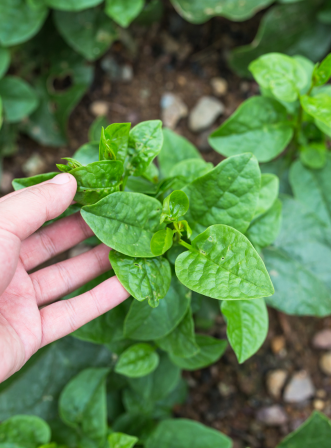
Spinach is a nutrient-dense leafy green that thrives in cool weather.
- Varieties: ‘Bloomsdale’, ‘Tyee’, ‘Space’
- Planting time: Late summer to early fall for winter harvest
- Care tips: Provide protection from extreme cold, harvest outer leaves as needed
2. Swiss Chard
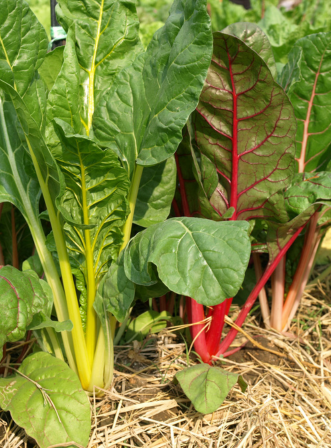
Swiss chard is a colorful and nutritious leafy green that can withstand light frost.
- Varieties: ‘Bright Lights’, ‘Fordhook Giant’, ‘Perpetual’
- Planting time: Late summer for winter harvest
- Care tips: Mulch to protect roots, harvest outer leaves continuously
3. Collard Greens

Collard greens are cold-hardy vegetables that improve in flavor after frost.
- Varieties: ‘Georgia’, ‘Vates’, ‘Champion’
- Planting time: Late summer for winter harvest
- Care tips: Provide protection from extreme cold, harvest outer leaves as needed
Nutritious collard green seeds
4. Mustard Greens

Mustard greens add a spicy kick to winter salads and stir-fries.
- Varieties: ‘Southern Giant Curled’, ‘Tendergreen’, ‘Red Giant’
- Planting time: Late summer to early fall for winter harvest
- Care tips: Provide protection from extreme cold, harvest young leaves for milder flavor
5. Arugula

Arugula is a fast-growing, peppery green that thrives in cool weather.
- Varieties: ‘Rocket’, ‘Wild Rocket’, ‘Astro’
- Planting time: Late summer to early fall for winter harvest
- Care tips: Sow seeds every few weeks for continuous harvest, protect from extreme cold
C. Alliums
1. Garlic

Garlic is a flavorful allium that is typically planted in fall for summer harvest.
- Varieties: ‘Hardneck’, ‘Softneck’, ‘Elephant’
- Planting time: Fall for summer harvest
- Care tips: Plant cloves 4-6 inches apart, mulch heavily for winter protection
Premium garlic bulbs for planting
2. Onions

Winter onions can be planted in fall for an early summer harvest.
- Varieties: ‘Walla Walla’, ‘Red Brunswick’, ‘Yellow Globe’
- Planting time: Fall for early summer harvest
- Care tips: Plant sets 4-6 inches apart, mulch for winter protection
D. Brassicas and Others
1. Broccoli

Winter broccoli varieties are bred to withstand cooler temperatures.
- Varieties: ‘Calabrese’, ‘Purple Sprouting’, ‘Green Goliath’
- Planting time: Late summer for winter harvest
- Care tips: Provide protection from extreme cold, harvest main head and side shoots
2. Lettuce

Cold-hardy lettuce varieties can provide fresh salad greens throughout winter.
- Varieties: ‘Winter Density’, ‘Arctic King’, ‘Rouge d’Hiver’
- Planting time: Late summer to early fall for winter harvest
- Care tips: Provide protection from extreme cold, harvest outer leaves as needed
Cold-tolerant lettuce seed collection
3. Celery

Some celery varieties can withstand cooler temperatures for winter harvests.
- Varieties: ‘Giant Pascal’, ‘Tango’, ‘Tall Utah’
- Planting time: Late summer for winter harvest
- Care tips: Provide protection from extreme cold, blanch stems for milder flavor
IV. Seasonal Gardening Techniques
A. Summer gardening tips
- Water deeply and regularly, especially during dry spells
- Mulch to retain soil moisture and suppress weeds
- Provide shade for heat-sensitive plants during peak summer
- Monitor for pests and diseases regularly
- Harvest frequently to encourage continued production
B. Winter gardening tips
- Use cold frames, row covers, or tunnels to protect plants from frost
- Mulch heavily to insulate plant roots
- Water less frequently but deeply when needed
- Choose cold-hardy varieties suited for your climate
- Monitor for snow and ice damage, and protect plants accordingly
Winter garden protection essentials
C. Transitioning between seasons
- Clean up and compost spent plants
- Amend soil with compost or well-rotted manure
- Plan crop rotation to maintain soil health
- Start seeds indoors for the upcoming season
- Adjust watering and fertilization schedules
V. Harvesting and Storage
A. Summer vegetable harvesting and storage
| Vegetable | Harvesting Tips | Storage Method | Storage Duration |
|---|---|---|---|
| Tomatoes | Pick when fully colored | Room temperature | 1-2 weeks |
| Cucumbers | Harvest when 6-8 inches long | Refrigerator | 1 week |
| Zucchini | Pick when 6-8 inches long | Refrigerator | 1-2 weeks |
| Green Beans | Harvest when pods are slim and crisp | Refrigerator | 1 week |
B. Winter vegetable harvesting and storage
| Vegetable | Harvesting Tips | Storage Method | Storage Duration |
|---|---|---|---|
| Carrots | Harvest after frost for sweeter taste | Root cellar or refrigerator | 2-3 months |
| Beets | Pull when 2-3 inches in diameter | Root cellar or refrigerator | 2-3 months |
| Kale | Harvest outer leaves as needed | Refrigerator | 1-2 weeks |
| Garlic | Harvest when leaves start to yellow | Cool, dry place | 3-6 months |