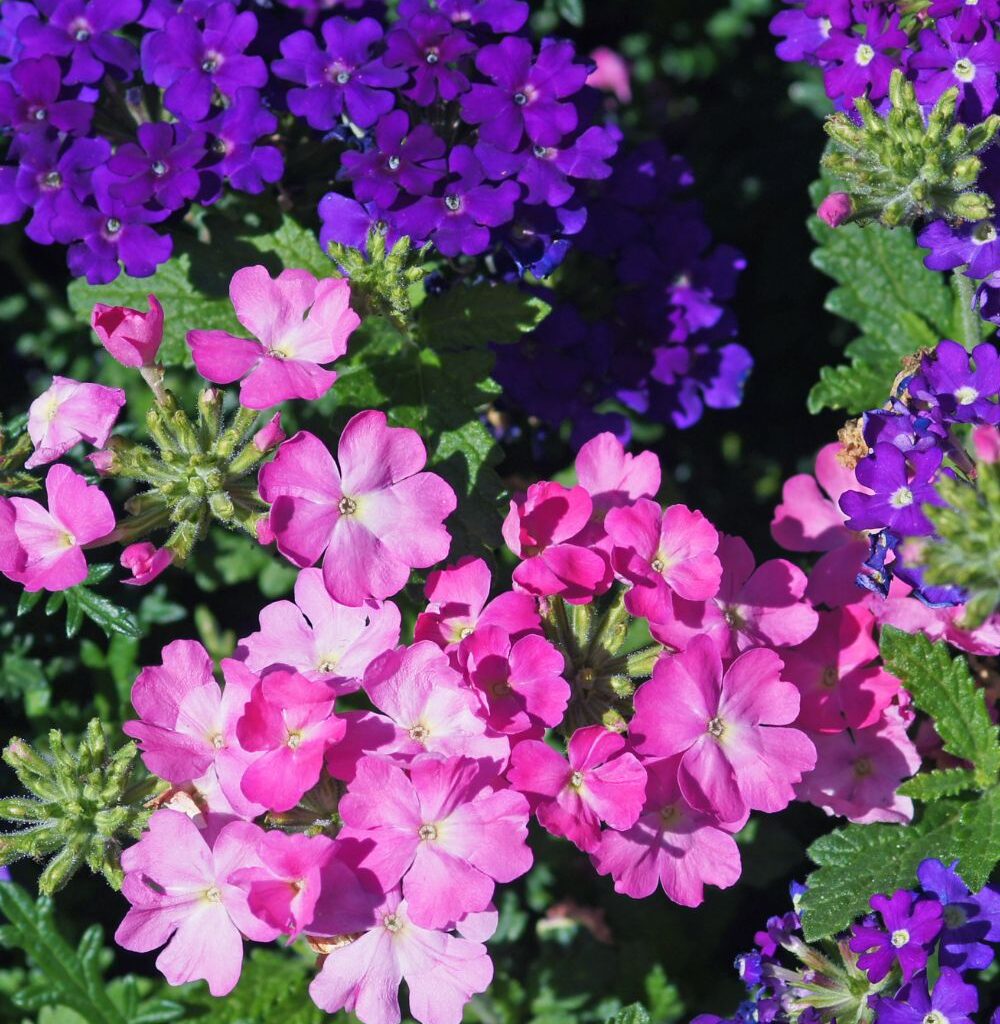
Verbena is incredibly easy to propagate from cuttings or seeds!
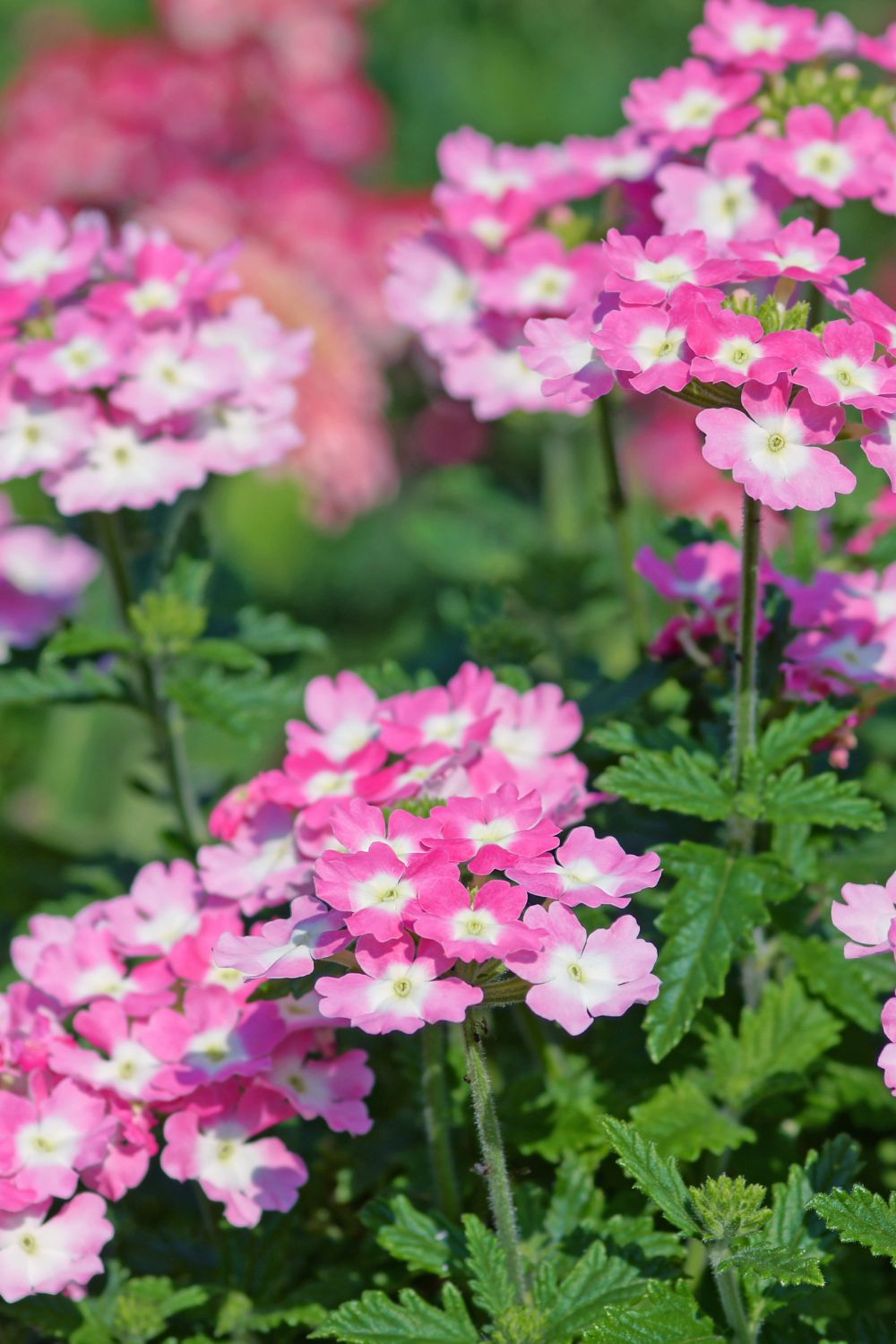
Verbena is a genus of flowering plants that includes annual and perennial varieties, prized for their lush foliage and showy umbrella-shaped flower clusters in shades of pink, purple, red, white, and more.
Native to the Americas, these sun-loving plants thrive in warm climates and brighten up gardens, containers, and hanging baskets with their endless summer blooms. 🌞
In this guide, I’ll walk you through the best methods for propagating verbena from stem cuttings, seeds, and division—so you can multiply your favorite varieties with ease. 🌱💚
Best Time to Propagate Verbena
While verbena can be propagated throughout the growing season, the ideal time is in late spring or early summer. 🌺
This allows the new plants to get established before the heat of midsummer and ensures a bountiful bloom for the rest of the season.
Look for signs of new growth and active blooming on your existing verbena plants. Once they’ve begun putting out fresh stems and flower buds, they’re ready to be propagated.
In warm climates, you may be able to propagate verbena year-round, but avoid extreme heat or cold for the best results.
What You’ll Need
Before you begin, gather these simple supplies:
🪴 A healthy verbena parent plant
✂️ Clean pruners or scissors
🥤 Small pots or containers with drainage holes
🪣 Potting mix or seed-starting mix
💦 A spray bottle for misting
☀️ A sunny, warm spot for rooting cuttings or germinating seeds
Propagation Methods for Verbena
There are three main ways to propagate verbena, each with its own advantages:
| Method | Success Rate | Difficulty |
|---|---|---|
| Stem Cuttings | 90% | Easy |
| Seeds | 70% | Moderate |
| Division | 85% | Moderate |
🌱 Stem cuttings are the easiest and most reliable method, perfect for quickly multiplying your favorite verbena varieties. Seeds offer more variety but can be trickier to germinate.
Division works well for established perennial verbenas but may damage the parent plant if done improperly.
Step-by-Step Propagation Guide
Propagating Verbena from Stem Cuttings
- 🌱 Select a Stem: From a healthy verbena plant, choose a non-flowering stem that’s 4-6 inches long with fresh, green growth. Avoid woody, overly mature stems.
- ✂️ Make a Clean Cut: Use sharp, sterilized pruners to make a straight cut just below a leaf node at a 45-degree angle. This maximizes surface area for rooting.
- 🍃 Strip Lower Leaves: Gently remove the bottom 2-3 inches of leaves, keeping the top 2-3 leaf sets intact to reduce transplant shock.
- 💐 Remove Buds (Optional): Pinch off any flower buds to direct energy into root growth instead of blooms.
- ⏲️ Allow to Callus: Set the cutting aside for 4-6 hours to allow the cut end to form a protective callus, aiding rooting.
- 🥤 Prepare Container: Fill a 4-inch pot with well-draining potting mix and moisten until evenly damp but not soaked.
- ⚗️ Dip in Rooting Hormone (Optional): You can dip the cut end in rooting hormone powder to encourage faster root development.
- 🌱 Plant the Cutting: Make a 2-inch hole and gently insert the stem, packing soil firmly around the base without knocking off leaves.
- 💦 Water Thoroughly: Give the cutting a deep watering, allowing excess to drain away. Be careful not to dislodge it.
- 🔖 Create Humidity Tent: Cover the pot with a clear plastic bag or dome, securing it but leaving one side vented for airflow.
- ☀️ Provide Bright, Indirect Light: Place the covered cutting in a warm spot with bright, indirect light to prevent burning.
- 💧 Monitor and Mist: Check daily, misting the soil and leaves to maintain humidity without oversaturating. Look for new growth in 2-4 weeks.
- 🍃 Vent and Harden Off: Once rooted, gradually remove the cover and introduce more sunlight and air circulation.
- 🪴 Transplant if Needed: When roots fill the container, you can transplant your new verbena to a larger pot or outdoors.
With the right care and humidity, verbena stem cuttings have around a 90% propagation success rate!
Propagating Verbena from Seeds
- 🌰 Source Seeds: Purchase fresh verbena seeds or collect them from dried flower heads on existing plants.
- 🍽️ Prepare Trays: Fill seed trays or small pots with a sterile, well-draining seed-starting mix and moisten evenly.
- 🌱 Sow Seeds: Sprinkle verbena seeds about 1 inch apart across the soil surface and gently press them in.
- ⛄ Cover Seeds: Lightly cover seeds with just 1/4 inch of seed-starting mix and gently firm the soil.
- 💦 Moisten Soil: Use a spray bottle to mist the soil surface without displacing seeds.
- 🔲 Cover for Humidity: Place the tray inside a clear plastic bag or humidity dome to lock in moisture.
- 🔥 Provide Bottom Heat (Optional): Gentle bottom heat around 70-75°F from a seed mat can boost germination.
- ⏰ Be Patient: Check daily, keeping soil lightly misted. Verbena seeds can take 1-3 weeks to sprout—don’t let them dry out.
- 🍃 Remove Cover Once Sprouted: As soon as the first seedlings emerge, take off the plastic cover for airflow.
- ☀️ Provide Sunlight: Move seedling trays to a sunny window or under grow lights, giving at least 6 hours of direct light per day.
- ✂️ Thin Seedlings: Once true leaves appear, thin out weaker seedlings, spacing the remaining plants 4-6 inches apart.
- ☘️ Transplant Seedlings: When verbena seedlings have 3-4 sets of true leaves, you can transplant them to larger containers or outdoors.
Seed propagation offers variety but a lower 60-70% success rate. Proper conditions are key for strong seedlings!
Propagating Verbena Through Division
- 💦 Prepare Parent Plant: Water your established verbena deeply 1-2 days before dividing to fully hydrate the roots.
- ⛏️ Dig Up Entire Plant: Use a garden fork to carefully dig up the whole root system, keeping the soil intact around the roots.
- ✂️ Divide Rootball: Gently shake off excess soil and use a clean knife to cut straight through the rootball, creating 2-4 sections with roots and stems.
- 👀 Inspect Divisions: Examine each section, trimming away any dead, damaged, or circling roots with pruners.
- 🥤 Prepare New Containers: Fill pots or a garden bed with fresh, well-draining potting mix or amended garden soil.
- 🌱 Replant Divisions: Plant each division at the same depth as before, spacing verbena plants 12-18 inches apart.
- 🌎 Backfill and Water: Backfill with soil, pressing gently to remove air pockets. Water each division slowly and deeply.
- ☔ Provide Shade: For the first few days, protect newly divided plants from direct sun with shade cloths or by placing in light shade.
- 💧 Water Regularly: Keep soil consistently moist but not saturated as new roots establish over 4-6 weeks.
Dividing verbena every 2-3 years propagates new plants and rejuvenates the original, with an 80-90% success rate when done properly.
Common Problems & How to Fix Them
Even the most diligent plant parent can run into a few challenges when propagating verbena. But don’t worry—most issues are easily resolved with some simple troubleshooting! 💪
🥀 Wilting or Drooping: This is usually a sign of underwatering or heat stress. Increase water immediately and move plants to a spot with afternoon shade during hot periods. Consistent moisture is key for verbena!
🐛 Leaf Damage or Holes: Those tiny chompers are likely the work of hungry caterpillars, aphids, or other pests. Inspect closely and remove any bugs by hand. As a last resort, treat with an insecticidal soap or neem oil spray.
🍄 Powdery Mildew: This fungal disease appears as white, powdery spots on leaves and stems, thriving in humid conditions. Improve air circulation, don’t overcrowd plants, and treat with a copper or sulfur-based fungicide if needed.
🔴 Reddish, Distorted Leaves: A telltale sign of spider mites or aphid infestations. Check undersides of leaves closely and treat with insecticidal soap or neem oil if pests are present.
⏱️ Stunted Growth or Poor Blooming: If plants seem stalled out with few flowers, it’s likely due to too much shade, lack of nutrients, or improper pruning. Relocate to a sunnier spot, fertilize regularly, and prune to promote new growth.
With a few simple adjustments, you can overcome most verbena growing pains and get your plants back to their vibrant, blooming best!
How to Care for Newly Propagated Verbena 🌺
Congratulations, you’ve propagated some lovely new verbena plants! Now it’s time to help them really thrive with the right care. Follow these tips for an abundance of cheerful blooms all season. 💐
Sunlight Needs ☀️
Verbenas absolutely love to bask in lots of direct sunlight! Aim to give your new plants at least 6-8 hours of full sun exposure each day. In hot climates, they’ll appreciate a little afternoon shade relief.
Watering Routine 💧
Keep soil consistently moist but never soaked—verbenas hate wet feet! Water whenever the top inch of soil becomes dry, giving plants a deep drink each time. Avoid getting water on leaves to prevent fungal issues.
Temperature Preferences 🌡️
These sun-lovers prefer warm temps between 65-80°F. In cooler climates, grow verbenas in containers you can easily move indoors if needed, protecting from frost.
Fertilizing Schedule 🌱
For lush, prolific blooming, feed your verbenas every 2-4 weeks during the growing season with a balanced liquid fertilizer. You can also mix in some compost or slow-release fertilizer at planting time.
Pruning & Grooming 💇♀️
To keep verbenas tidy and blooming their best, deadhead spent flowers regularly by pinching them off. You can also prune back leggy growth now and then to shape plants up.
With the right light, water, food, and some grooming, your newly propagated verbenas will flourish and provide an endless parade of vibrant color! 🌈
Advanced Tips for Propagating Verbena 💡
Want to take your verbena propagation skills to the next level? Try incorporating these simple pro tips:
Use a Rooting Hormone 🧪
Dipping stem cuttings in a rooting hormone powder or gel can dramatically speed up root development and boost your success rate. Look for products containing IBA or NAA.
Provide Bottom Heat 🔥
Gentle bottom heat around 70-75°F helps verbena seeds germinate faster and more uniformly. An inexpensive seed heating mat works perfectly for this.
Rejuvenate Older Plants 🪴
Propagating verbena from stem cuttings is an excellent way to refresh overgrown, woody plants that are past their prime blooming stage. The new plants will be lush and vigorous!
Experiment with Varieties 🌺🌸
With so many vibrant colors and unique flower forms available, don’t be afraid to propagate different verbena cultivars to find your favorites. Create gorgeous mixed planters and borders!
Grow Indoors Year-Round 🏡
In cool climates, you can keep verbena blooming nearly year-round by propagating new plants and growing them under LED grow lights indoors. So rewarding!
With these simple tips and tricks, you’ll be leveling up your verbena propagation skills in no time. Get creative and keep those beautiful blooms coming!
When & How to Transplant Propagated Verbena
Signs Plant Needs More Space 🔍
Watch for verbena’s roots peeking out of the drainage holes or circling tightly against the inside of the pot. Stunted growth is another sign it desperately needs more room to spread out.
Hardening Off Process ☀️⛅
About a week before transplanting, start “hardening off” by gradually introducing your verbena to increased direct sunlight and outdoor conditions. This prevents transplant shock.
Preparing New Containers or Beds 🌱
Use a well-draining potting mix or amend garden soil with compost or aged manure. Choose a spot that gets full sun and allow 12-18 inches between plants.
Proper Transplanting Technique 🤲
Gently remove verbena from its container, disturbing roots as little as possible. Replant at the same soil depth in new containers or beds, firm soil gently, and water thoroughly.
Post-Transplant Care 💦🌳
Verbenas can experience some shock after being transplanted. Keep soil consistently moist, provide afternoon shade, and hold off on fertilizing for a few weeks until new growth appears.
With some preparation and TLC, your propagated verbena will quickly become established in its new, spacious home and greet you with an abundance of colorful blooms!
FAQs on Propagating Verbena
When’s the best time for cuttings? ✂️
Early spring and late summer are usually ideal windows for taking verbena cuttings, as plants are putting out lots of fresh, vigorous growth during these times.
Can I root cuttings in water? 💧
While it is possible to root verbena in water, they tend to have a much higher success rate when planted directly into a soilless potting mix. Rooting in water often leads to rot.
Why won’t my seeds germinate? 🌱
Verbena seeds need consistently warm soil temps around 70-75°F to reliably sprout. If temperatures are too cool, provide bottom heat or start seeds indoors earlier in the season.
How often should I divide plants? ⤵️
Most perennial verbena varieties benefit from being divided every 2-3 years in either spring or fall. This rejuvenates growth and increases overall plant vigor.
H3 Can I propagate from root cuttings? 🌳
While possible, propagating verbena from root cuttings tends to be quite difficult compared to using stem cuttings or division. It’s best to stick with the easier, more reliable methods.