Learn how to grow pineapple at home with our easy and straightforward steps. Learn the best techniques for planting, watering, and nurturing your pineapple plants, whether in soil or water. From choosing the right pineapple to understanding light and temperature needs, this guide covers everything you need to cultivate your own delicious fruit right from your backyard. Enjoy the rewarding experience of home gardening and savor fresh pineapples in no time!
Understanding Pineapple Growth

Before diving into the details of growing pineapples, it’s important to understand the plant’s life cycle and requirements. Pineapples (Ananas comosus) are part of the Bromeliaceae family and are native to tropical regions. They grow best in temperatures between 65°F and 95°F (18°C to 35°C) and prefer well-draining, sandy soil. The plant is drought-tolerant and doesn’t require frequent watering, making it a relatively low-maintenance plant for home gardeners.
Pineapples grow from the crown (the leafy top of the fruit) or seeds, and while it’s possible to grow them from cuttings and seeds, using the crown is the most common method.
How to Grow Pineapple from Seed

Although growing pineapples from seeds is less common than using the crown method, it is still possible. The seeds of a pineapple are located within the flesh, near the outer edges of the fruit.
Step-by-Step Guide:
- Extract the Seeds: Cut the pineapple and look for small, black or brown seeds near the outer flesh. Carefully remove them using a knife or tweezers.
- Clean the Seeds: Rinse the seeds in water to remove any sticky residue from the fruit.
- Germinate the Seeds: Pineapple seeds need warm, moist conditions to germinate. Place the seeds between two damp paper towels inside a plastic bag. Leave them in a warm spot, ideally between 70°F and 85°F (21°C to 29°C). It can take anywhere from 2 to 6 months for the seeds to sprout.
- Plant the Seeds: Once the seeds have sprouted, plant them in small pots filled with a well-draining potting mix. Keep the soil moist but not waterlogged, and ensure the seedlings get plenty of sunlight.
For faster seed germination, you may consider using a seed-starting heat mat to maintain a consistent temperature.
How to Grow Pineapple in Water
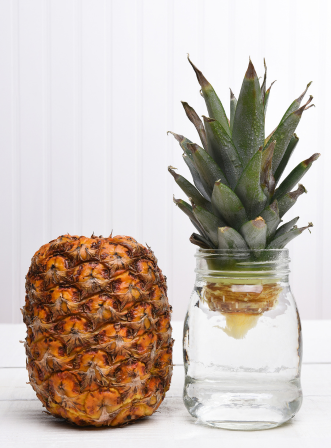
Growing pineapple in water is an easy and visually appealing way to start your plant, especially if you’re using a pineapple crown.
Step-by-Step Guide:
- Prepare the Crown: After cutting the pineapple, leave about 1 inch of fruit attached to the crown. Remove the lower leaves to expose the bottom of the stem.
- Place in Water: Submerge the bottom of the crown in a glass or jar of water, ensuring that the leaves do not touch the water. Use toothpicks to support the crown if necessary.
- Change the Water Regularly: Replace the water every few days to keep it fresh and prevent bacterial growth. Keep the jar in a sunny spot, like a windowsill.
- Watch for Roots: After 1-2 weeks, roots should begin to form. Once the roots are about 2-3 inches long, the crown is ready to be planted in soil.
For an easy setup to support the crown in water, try using a hydroponic growing jar.
How to Grow Pineapple at Home in a Pot

If you don’t have garden space or live in a cooler climate, you can successfully grow pineapples in a pot. Here’s how to do it:
Step-by-Step Guide:
- Choose the Right Pot: Select a pot that is at least 12 inches wide and 12 inches deep. Make sure the pot has drainage holes to prevent waterlogging.
- Use Well-Draining Soil: Pineapples prefer slightly acidic, sandy soil. A mix of potting soil and sand or perlite works well.
- Plant the Crown or Seedling: Plant the pineapple crown or seedling in the pot, ensuring that the soil covers the base of the plant.
- Water Sparingly: Pineapples don’t need frequent watering. Water the plant thoroughly, then let the soil dry out slightly before watering again.
- Provide Adequate Sunlight: Place the pot in a sunny spot, such as a south-facing window or on a balcony where it can receive 6-8 hours of sunlight a day.
If you’re looking for a good pot that offers proper drainage and fits well in smaller spaces, try a self-watering planter with a drainage system.
How to Grow Pineapples Indoors
Indoor pineapple growing is ideal for people in colder climates or those without outdoor garden space. Growing pineapples indoors requires careful attention to lighting, watering, and temperature.
Indoor Growing Tips:
- Choose a Warm Location: Pineapples thrive in temperatures between 65°F and 95°F. Keep your plant near a window that gets plenty of sunlight or use a grow light if natural sunlight is limited.
- Control Humidity: Pineapples grow best in environments with moderate humidity. If your indoor air is dry, use a humidifier or place a tray of water near the plant.
- Fertilize Occasionally: Use a balanced, liquid fertilizer every 6-8 weeks during the growing season. Avoid over-fertilizing, as this can lead to salt build-up in the soil.
- Repot When Necessary: As the plant grows, you may need to move it to a larger pot to give the roots more room. Repot your pineapple when it becomes root-bound.
For an indoor growing setup, consider using adjustable grow lights to provide consistent light year-round.
How to Grow Pineapple Leaves
One of the most exciting parts of growing a pineapple is watching the leaves sprout from the crown. Here’s how you can grow lush, healthy pineapple leaves:
Steps to Grow Pineapple Leaves:
- Prepare the Crown: After cutting the pineapple, remove the lower leaves from the crown, leaving about 1-2 inches of the stem exposed.
- Plant the Crown: Insert the crown into a pot of well-draining soil, making sure that the base of the leaves sits just above the soil.
- Water Lightly: Pineapple leaves store water, so they don’t require a lot of moisture. Water sparingly, ensuring the soil is slightly dry between waterings.
- Provide Sunlight: Pineapple plants need plenty of light to grow healthy leaves. Place the plant in a sunny spot or use grow lights if needed.
Healthy pineapple leaves indicate a thriving plant. For more support, use organic leaf care spray to keep the leaves vibrant.
How Long Does It Take to Grow a Pineapple?
Growing a pineapple is a slow process, but the reward is worth the wait.
- Rooting Stage: It can take 1-2 weeks for roots to form from the crown or seed.
- Leaf Growth: During the first few months, the plant will focus on growing leaves.
- Fruit Development: It typically takes 2-3 years for a pineapple plant to produce fruit.
- Harvesting: The pineapple is ready to be harvested once it turns yellow and has a fragrant smell.
Although it’s a long process, growing pineapples can be a fun and rewarding hobby. Be patient, and in a few years, you’ll enjoy homegrown pineapples!
Common Problems When Growing Pineapples
Growing pineapples isn’t always smooth sailing. Here are some common issues and how to address them:
| Problem | Cause | Solution |
|---|---|---|
| Yellowing Leaves | Overwatering | Allow the soil to dry out between waterings. |
| Slow Growth | Lack of sunlight or nutrients | Move the plant to a sunnier spot and fertilize occasionally. |
| Root Rot | Poor drainage or overwatering | Use well-draining soil and a pot with drainage holes. |
| Brown Leaf Tips | Dry air or insufficient watering | Increase humidity or water more regularly. |
| No Fruit Production | Plant is too young or lacks sunlight | Ensure the plant gets at least 6 hours of direct sunlight. |
FAQ: Does it Take 7 Years to Grow a Pineapple?
While the rumor exists that it takes 7 years to grow a pineapple, this is not entirely accurate. In reality, it typically takes 2-3 years for a pineapple plant to mature and produce fruit. However, the exact time can vary based on growing conditions, climate, and care.
Final Thought
Growing pineapples at home is a fun, long-term project that can yield delicious, homegrown fruit. Whether you choose to grow from seeds, crowns, or even in water, the key to success lies in providing the right conditions, such as sunlight, well-draining soil, and proper watering. With a bit of patience, you can enjoy the sweet taste of a pineapple you’ve grown yourself.